Lived experience
I know from the inside how cultural and religious interpretations shape the way a struggling learner is seen, and what it costs a child to be misread.
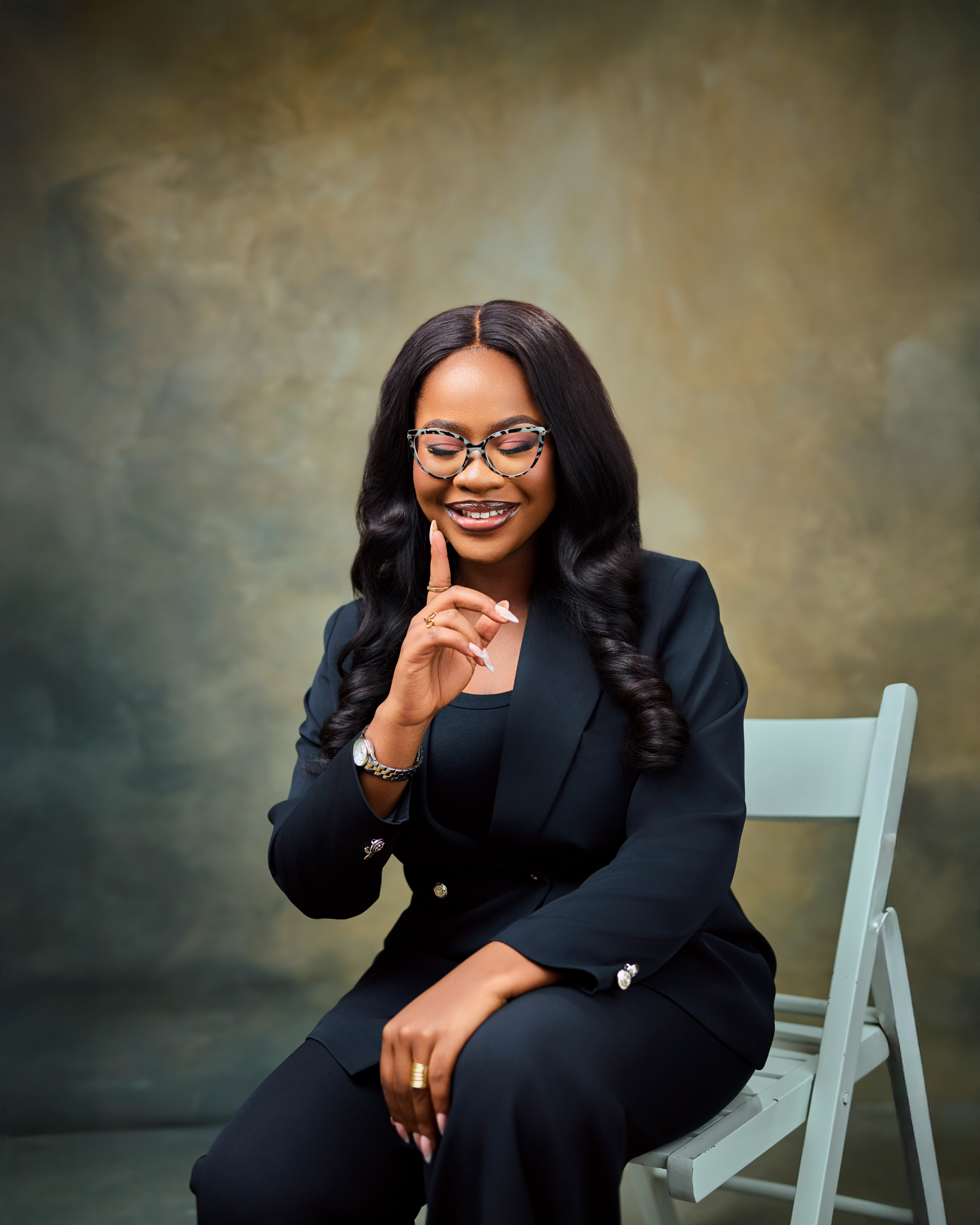
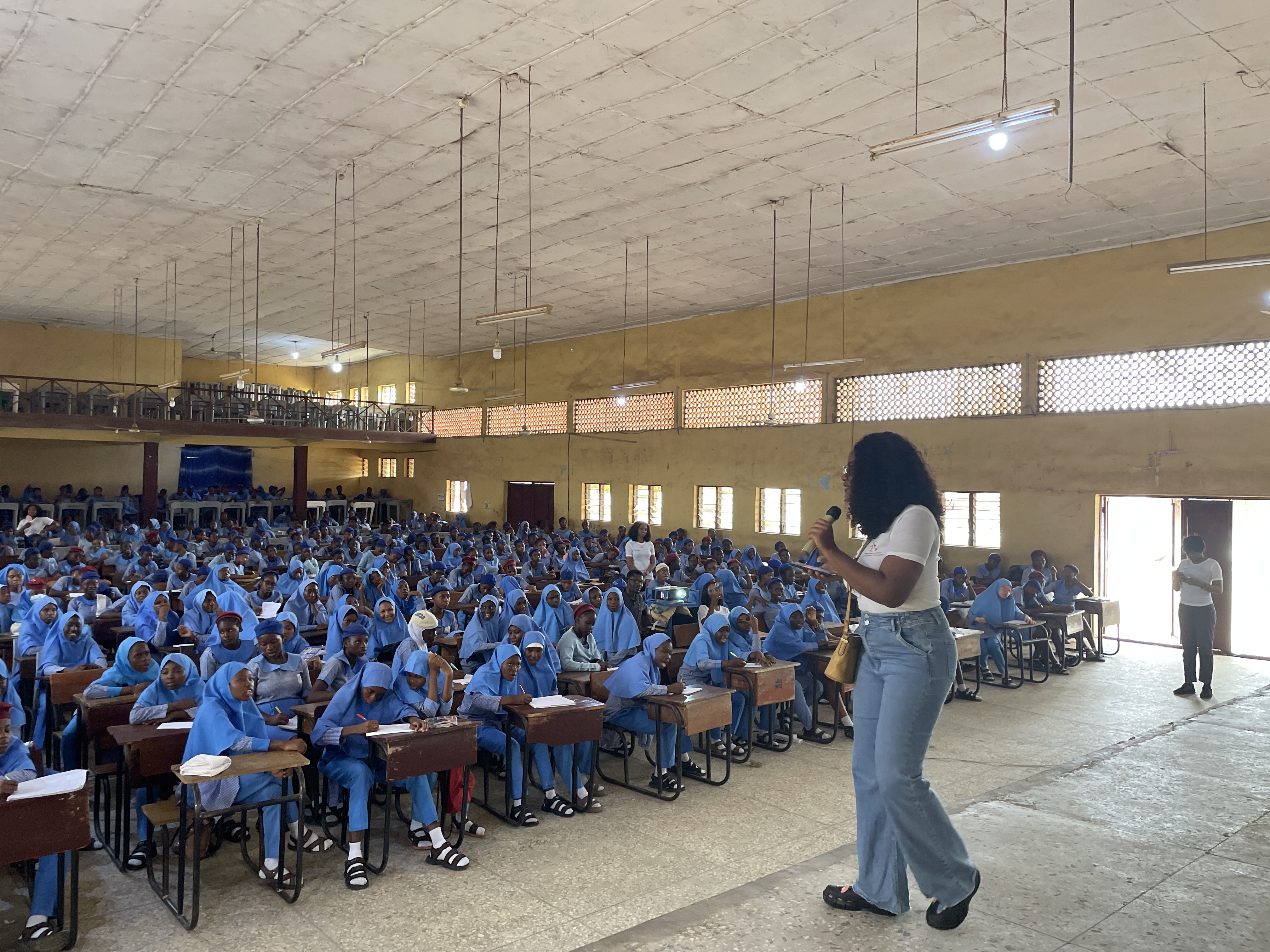
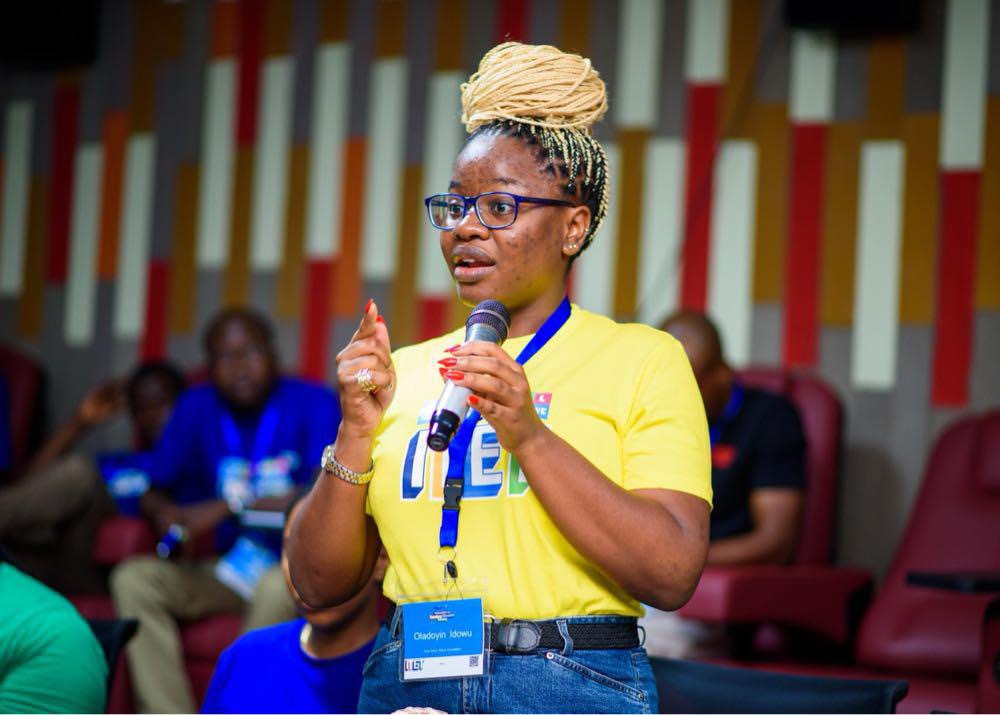
A child who struggles to read in a Nigerian classroom is too often called lazy, stubborn or spiritually troubled.Flip each card to see what was really going on.
Without recognition or support, this child can grow into a young person who leaves education early, an adult shut out of economic opportunity, and too often someone carrying anxiety, shame and trauma that began at school.
I am Oladoyin Idowu, I work at the intersection of mental health, inclusion and systems change. I help governments and institutions build education, health and social systems that respond to human differences early, so that a child's learning difference does not become exclusion, poor mental health and reduced opportunity in adulthood.
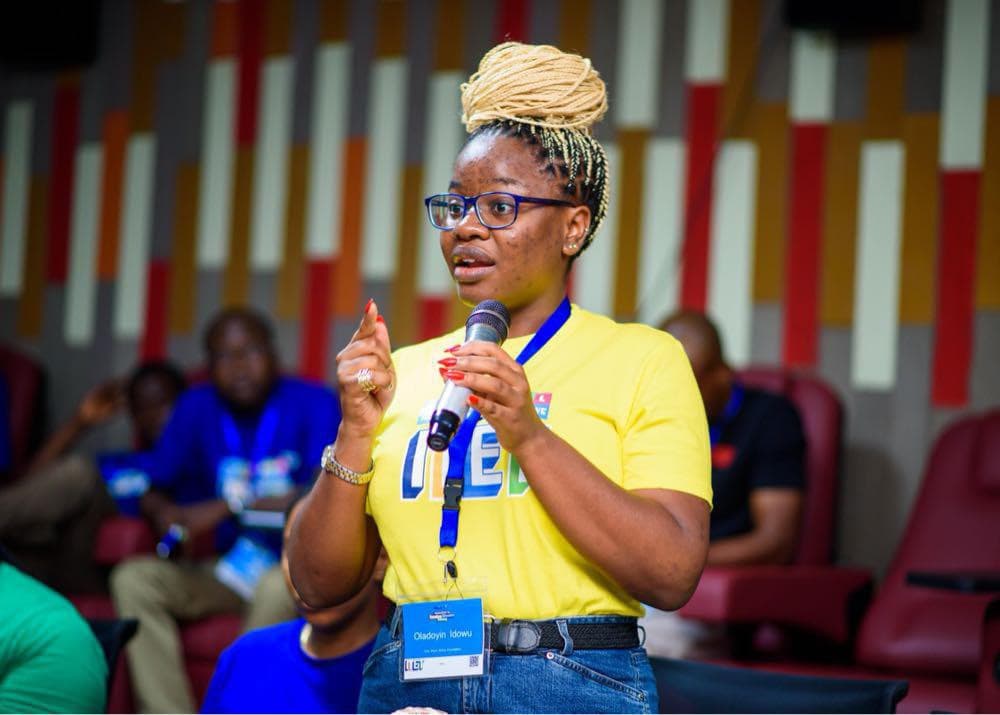
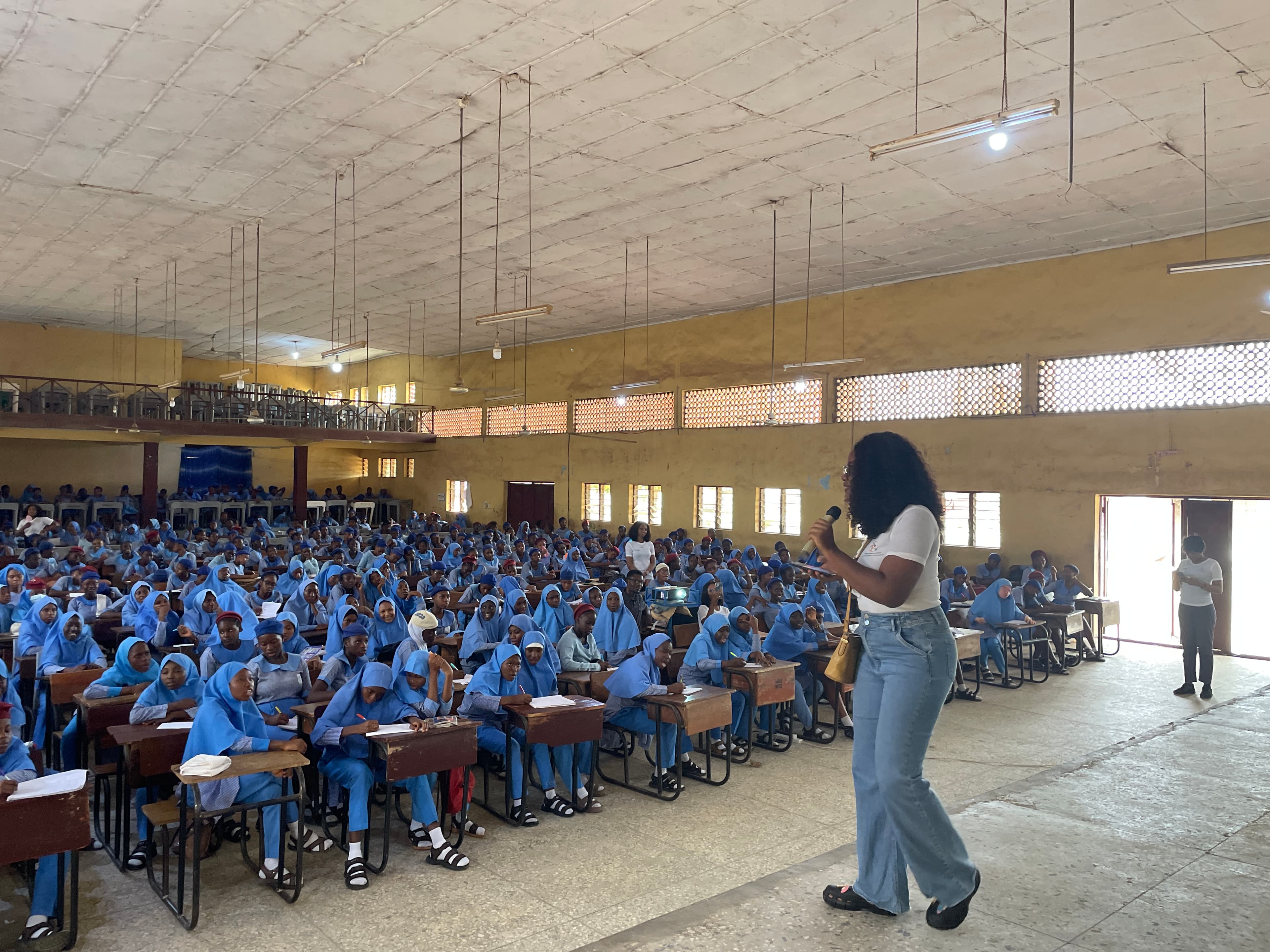
I know from the inside how cultural and religious interpretations shape the way a struggling learner is seen, and what it costs a child to be misread.
Trained in clinical psychology, I follow how a learning difference moves across early schooling, puberty, self-esteem, relationships, gender expectations and the move into adult life.
A decade of programme design, advocacy and policy engagement taught me that lasting change comes from redesigning the systems people move through, not only supporting individuals within them.
Training the adults around children, supporting young people who grew up without recognition, and building the technology and data that make inclusion scalable.
Explore this work →Clinical training across psychiatric, hospital, educational and community settings, from neuropsychiatric care to trauma-informed curricula for women in displacement camps.
Explore this work →Bringing inclusion and mental health into the rooms where decisions are made: with governments, funders, campaigns and global education networks.
Explore this work → ✦
 ✦
 ✦
 ✦
 ✦
 ✦
 ✦
 ✦
 ✦
 ✦
Often it means adjusting the ones you already run. I advise organisations on adding an inclusion and wellbeing layer to their work, from programme design and training to the environments people learn and work in.
Sometimes that means a curriculum. Sometimes it means the font on a health app, or a quiet room at a workshop.
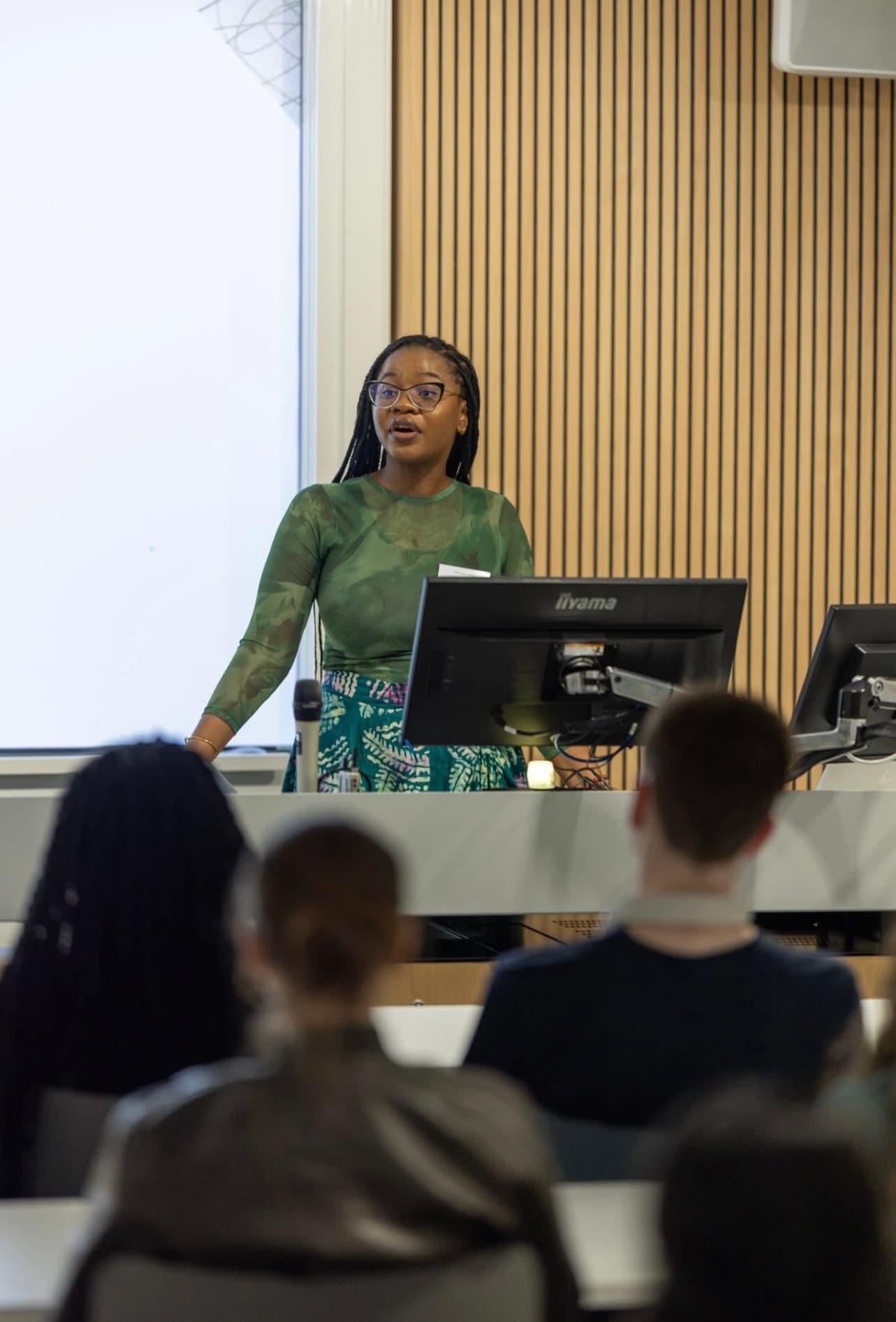
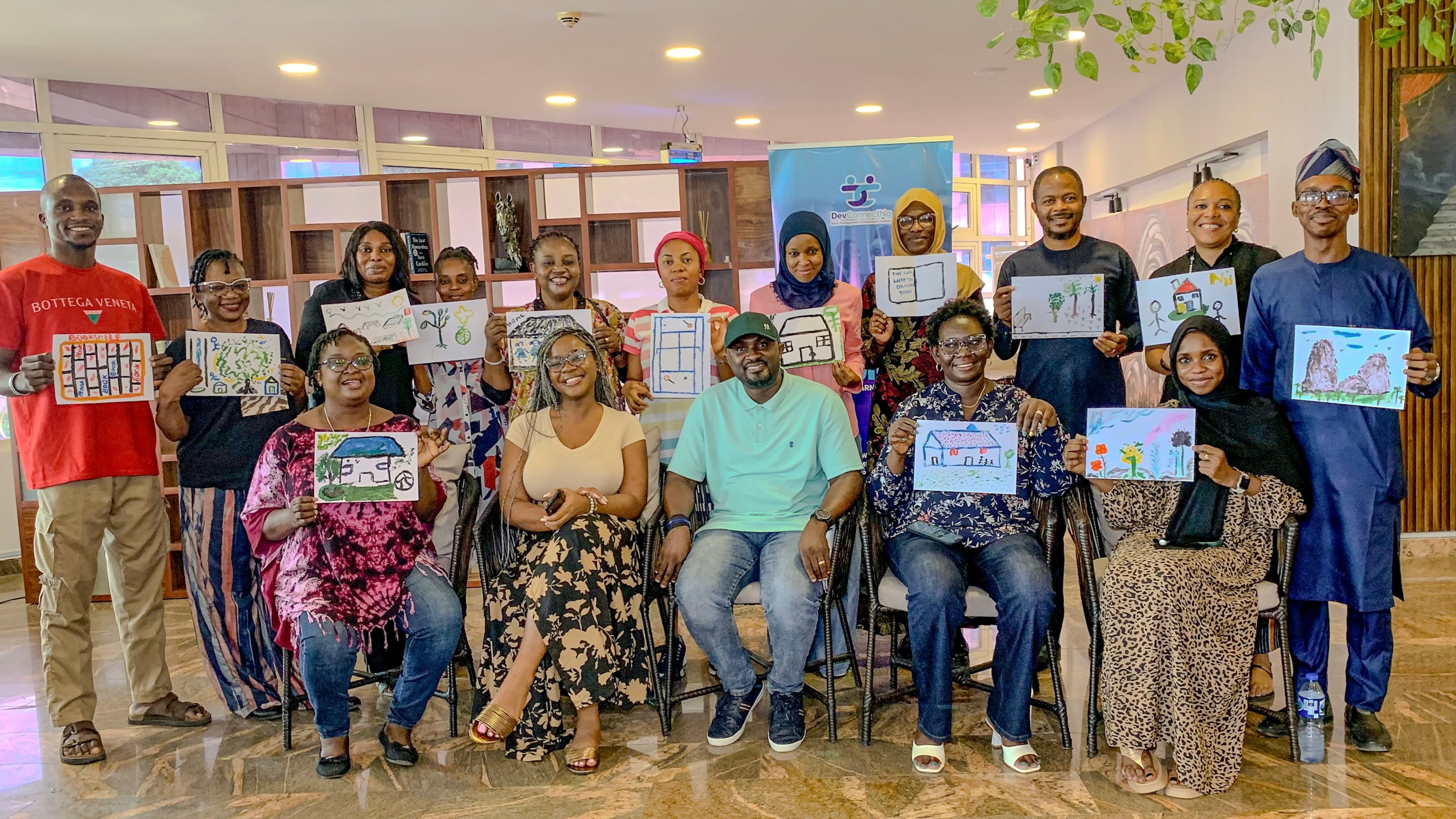
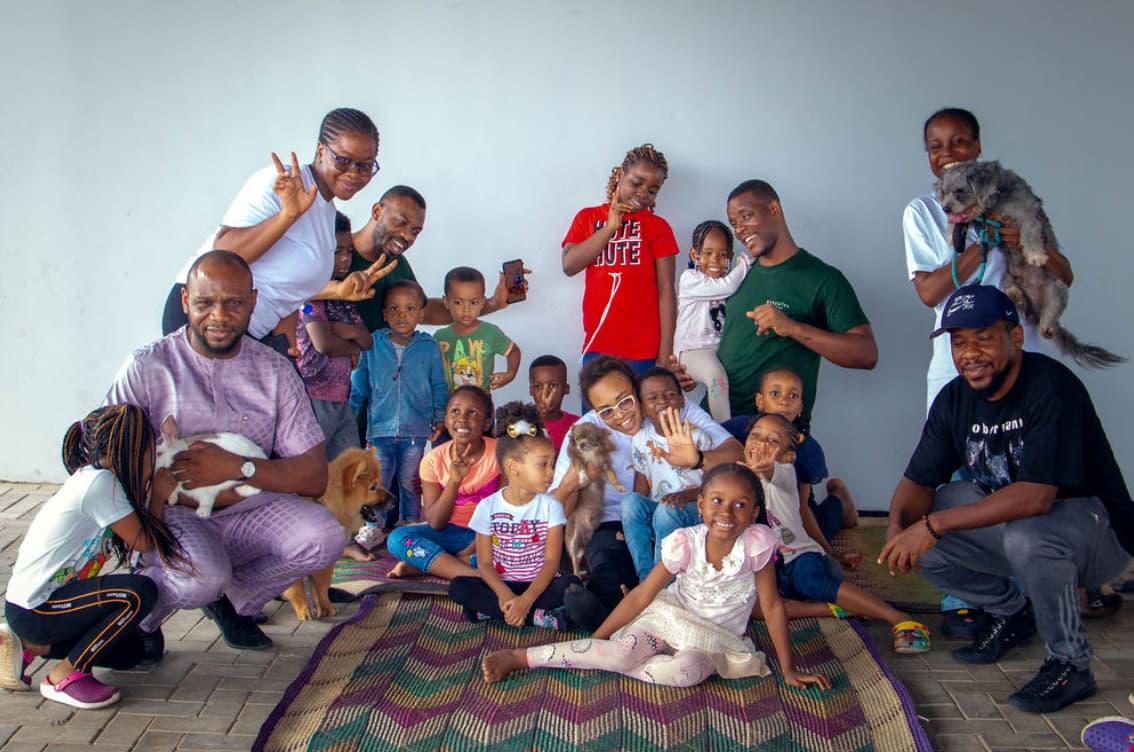
In 2016 I founded One Word Africa Foundation to change how Nigeria understands and supports neurodivergent learners. Its distinctive contribution has been creative advocacy: storytelling and sustained media engagement that put dyslexia into public conversation.
The next chapter brings together campaigns, assistive technology and the Africa Dyslexia Data Initiative, because there is no policy influence without evidence.
Whether you are designing a programme, shaping policy or planning an event, I would be glad to hear what you are working on.